 View all
 Champagne
 Sparkling Wines
 Red Wines
 White Wines
 Rosé Wines
 Alcohol-free
 Bag in box
 Fortified Wines
 Passito Wines
 Cocktails
 Gin
Gin
 Liqueur
 Whisky
 Rum
Rum
 Grappa
 Alcohol-free
 Brandy
 Eau de vie
 Tequila
 Vodka
Vodka
 Mixology
 Beers
Beers
 Olive Oil
 Vinegar
 Accessories


Product details
Description
What kind of wine it is
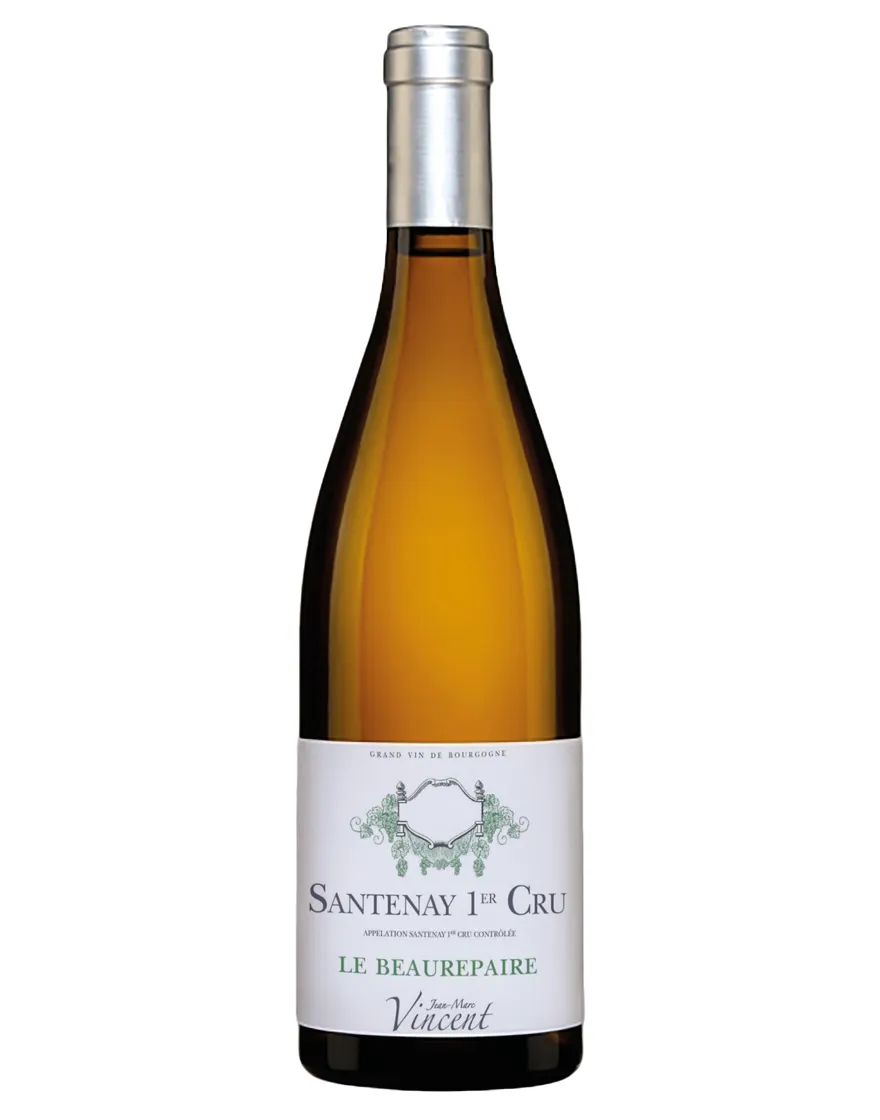
Santenay Premier Cru Le Beaurepaire by Jean-Marc Vincent is a white from the Côte de Beaune, made from typical white grapes of the Côte de Beaune. It exhibits a focused, precise style, with marked freshness and a saline finish that defines its character. Fermentation and ageing take place in oak barrels with prolonged contact on the fine lees, allowing the wine to achieve balance between breadth and definition. It is made to evolve over time and retains an elegant and clear profile.
Where it comes from
The wine originates from the Le Beaurepaire climat, on the heights of Santenay in the southern part of the Côte de Beaune. The vineyard includes two parcels: one with a steep, south-east-facing slope on white marls influenced by a historic acacia forest, the other on well-exposed but partially shaded clay-limestone soils. These conditions encourage gradual ripening and deliver tension, natural acidity, and pronounced sapidity.
How it is made
The grapes are picked at full ripeness to preserve freshness and aromatic precision. Fermentation is followed by approximately 15 months of ageing in oak barrels, with extended time on the fine lees. This process increases volume and complexity without sacrificing energy. The use of wood supports the structure and texture and allows the character of the cru to shine through, resulting in a mouthfeel that is dense yet smooth, with solid ageing potential.
Tasting notes
Bright light gold in appearance. The nose offers an expressive bouquet with notes of lemon, tangerine, and grapefruit, followed by hints of William pear, peach, mango, and passion fruit. On the palate it is broad and dynamic, with a structure that is dense yet fluid and well-integrated acidity. The progression is linear and precise, and the finish is lively, persistent, and clearly saline.
Food pairings
It pairs naturally with white fish and shellfish, and enhances dishes where the primary ingredient is central and sauces are light. It also works well with delicate white meats, especially in lightly prepared dishes or with butter- and herb-based seasonings. Its structure and crisp finish make it versatile at the table.
When to serve it
Ideal when a structured yet vibrant white is desired, suitable both for fish dinners and richer white meat courses. Aromatic and mineral notes are heightened when served in a large glass. It can be enjoyed immediately for its precision, but also offers good ageing potential and over time develops greater complexity and integration of structure.
5 products of Jean-Marc Vincent View all
5 products of Jean-Marc Vincent


Bourgogne AOC Blanc 2022 Jean-Marc Vincent


Santenay AOC Les Vignes Denses 2022 Jean-Marc Vincent
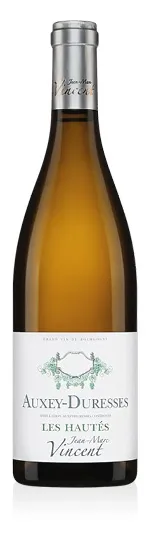
Auxey-Duresses AOC Blanc Les Hautés 2022 Jean-Marc Vincent
You may also be interested in
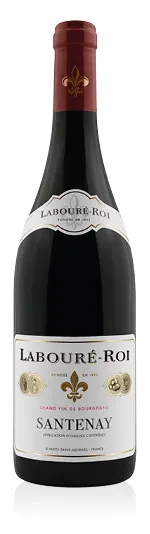
Santenay AOC Pinot Noir 2022 Labouré-Roi
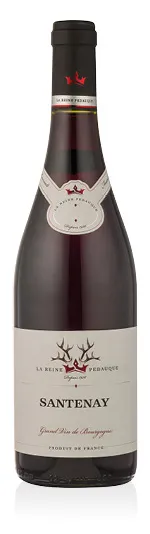
Santenay AOC 2020 Reine Pédauque
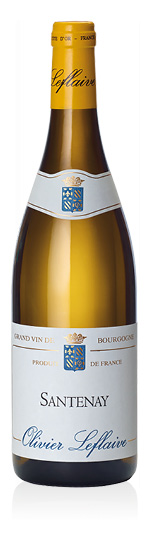
Santenay AOC 2019 Olivier Leflaive
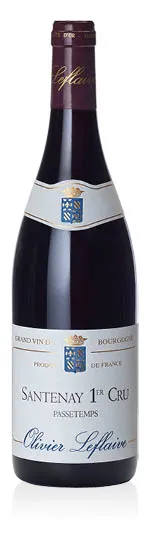
Santenay AOC 1er Cru Passetemps 2018 Olivier Leflaive