 View all
 Champagne
 Sparkling Wines
 Red Wines
 White Wines
 Rosé Wines
 Alcohol-free
 Bag in box
 Fortified Wines
 Passito Wines
 Cocktails
 Gin
Gin
 Liqueur
 Whisky
 Rum
Rum
 Grappa
 Alcohol-free
 Brandy
 Eau de vie
 Tequila
 Vodka
Vodka
 Mixology
 Beers
Beers
 Olive Oil
 Vinegar
 Accessories


Product details

Description
What kind of wine it is
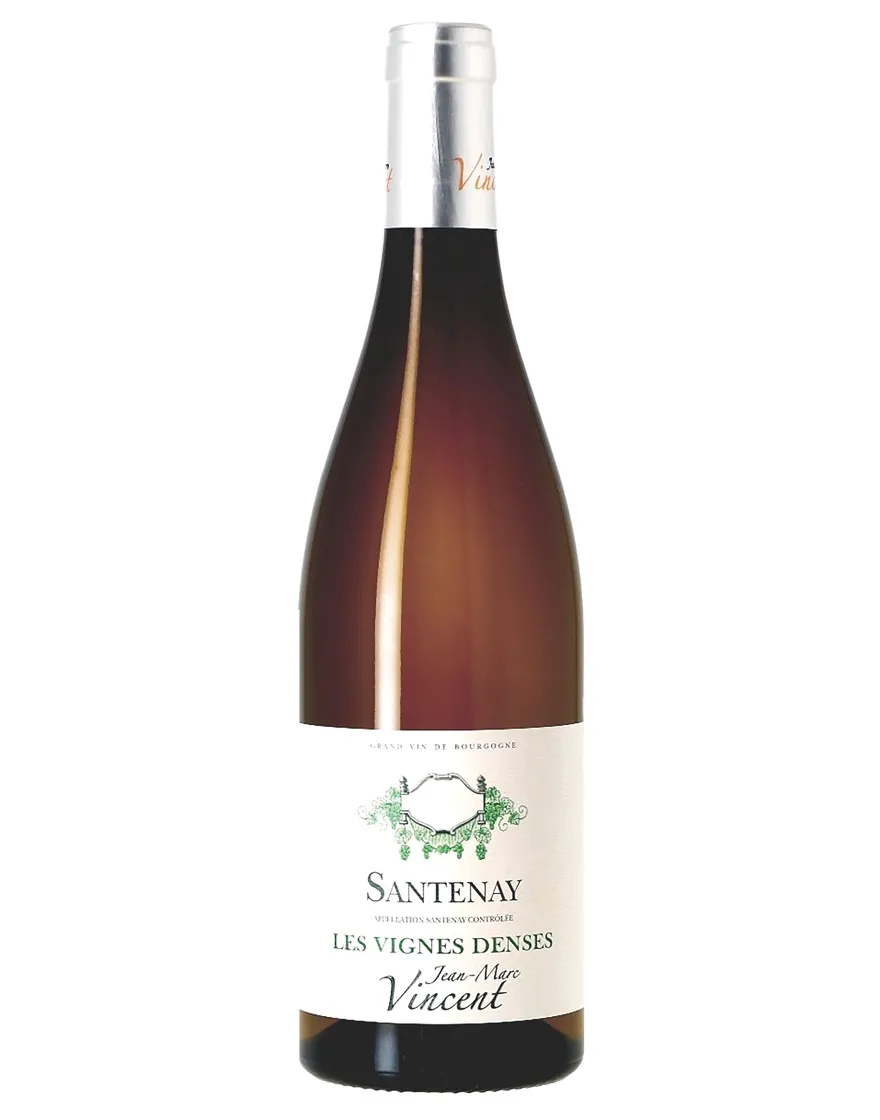
Santenay Les Vignes Denses by Jean-Marc Vincent is a dry white made from Chardonnay grapes cultivated in Santenay, in the Côte de Beaune. It stands out for its elegant and structured style, featuring ripe fruit, pronounced mineral freshness, and sharp depth of flavor. The winemaking process includes gentle pressing, fermentation in oak barrels, and aging on fine lees with bâtonnage, a process that adds volume and complexity while preserving aromatic precision.
Where it comes from
The grapes come from vineyards in the commune of Santenay, at the southernmost tip of the Côte de Beaune, on hills below Mont Trois-Croix. The clay-limestone soils provide a balance between water retention and the mineral component, giving the wine roundness and tension. The continental climate with mild summers and cool nights, combined with hillside exposure, allows for consistent ripening and distinct aromatic profiles with a clear territorial imprint.
How it is produced
Vineyard management follows traditional practices with a high planting density, encouraging vine competition and naturally reducing yields. Harvesting is manual and selective, followed by gentle pressing to obtain clean must. Fermentation occurs in oak barrels with aging on fine lees and periodic bâtonnage, a technique that enriches texture and complexity, integrates wood notes, and preserves freshness and clarity.
Tasting notes
In the glass, it shows a brilliant golden yellow, reflecting ripeness and judicious use of wood. The nose presents aromas of ripe white fruits such as pear and apple, with citrus nuances and light woody notes. On the palate, it is lively and vibrant, with a rounded entry, well-present acidity, and a mineral touch supporting the progression. The finish is harmoniously long, with returning fruit notes and delicate spices.
Food pairings
This Chardonnay pairs well with baked fish, shellfish, and sauced dishes requiring both structure and freshness. It also complements fine poultry like guinea fowl or capon, as well as bloomy rind cheeses, where the creaminess meets the wine’s vibrant acidity. For local pairings, it goes well with Burgundy snails or cream poularde, enhancing the roundness and mineral streak of the terroir.
When to serve it
Ideal for those seeking a characterful white, suitable both for meals and as an elegant aperitif, thanks to its balance of weight and precision. Serve it chilled, between 10 and 12 °C, in a large white wine glass to encourage aromatic expression and integration of the oak notes. It is immediately appealing for its vibrancy and demonstrates ageing potential in the bottle, with greater complexity and good balance in the first years after bottling.
5 products of Jean-Marc Vincent View all
5 products of Jean-Marc Vincent


Bourgogne AOC Blanc 2022 Jean-Marc Vincent


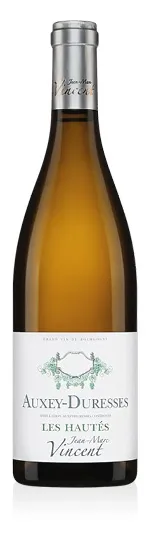
Auxey-Duresses AOC Blanc Les Hautés 2022 Jean-Marc Vincent
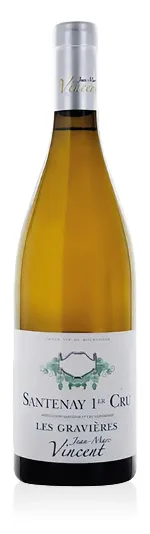
Santenay AOC 1er Cru Les Gravières 2022 Jean-Marc Vincent
You may also be interested in
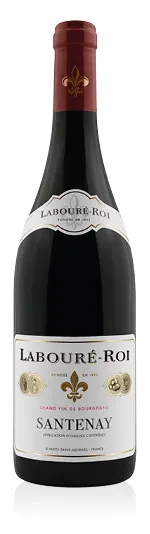
Santenay AOC Pinot Noir 2022 Labouré-Roi
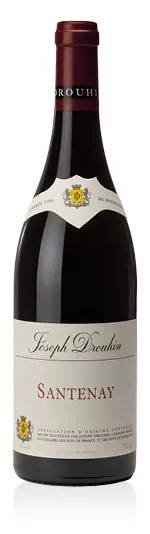
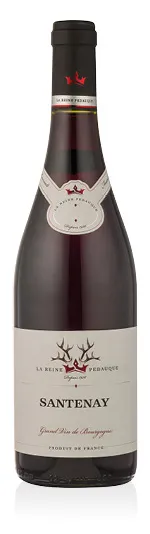
Santenay AOC 2020 Reine Pédauque
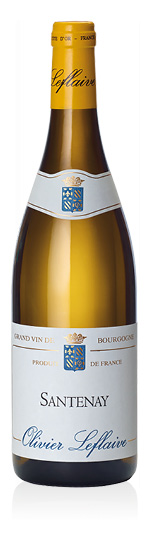
Santenay AOC 2019 Olivier Leflaive
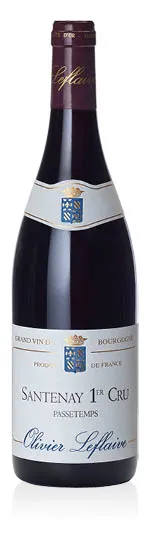
Santenay AOC 1er Cru Passetemps 2018 Olivier Leflaive