 View all
 Champagne
 Sparkling Wines
 Red Wines
 White Wines
 Rosé Wines
 Alcohol-free
 Bag in box
 Fortified Wines
 Passito Wines
 Cocktails
 Gin
Gin
 Liqueur
 Whisky
 Rum
Rum
 Grappa
 Alcohol-free
 Brandy
 Eau de vie
 Tequila
 Vodka
Vodka
 Blonde
 Red
Red
 Amber
Amber
 Dark
Dark
 Mixology
 Beers
Beers
 Olive Oil
 Vinegar
 Accessories


Product details
Description
What kind of wine is it?
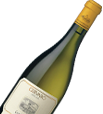
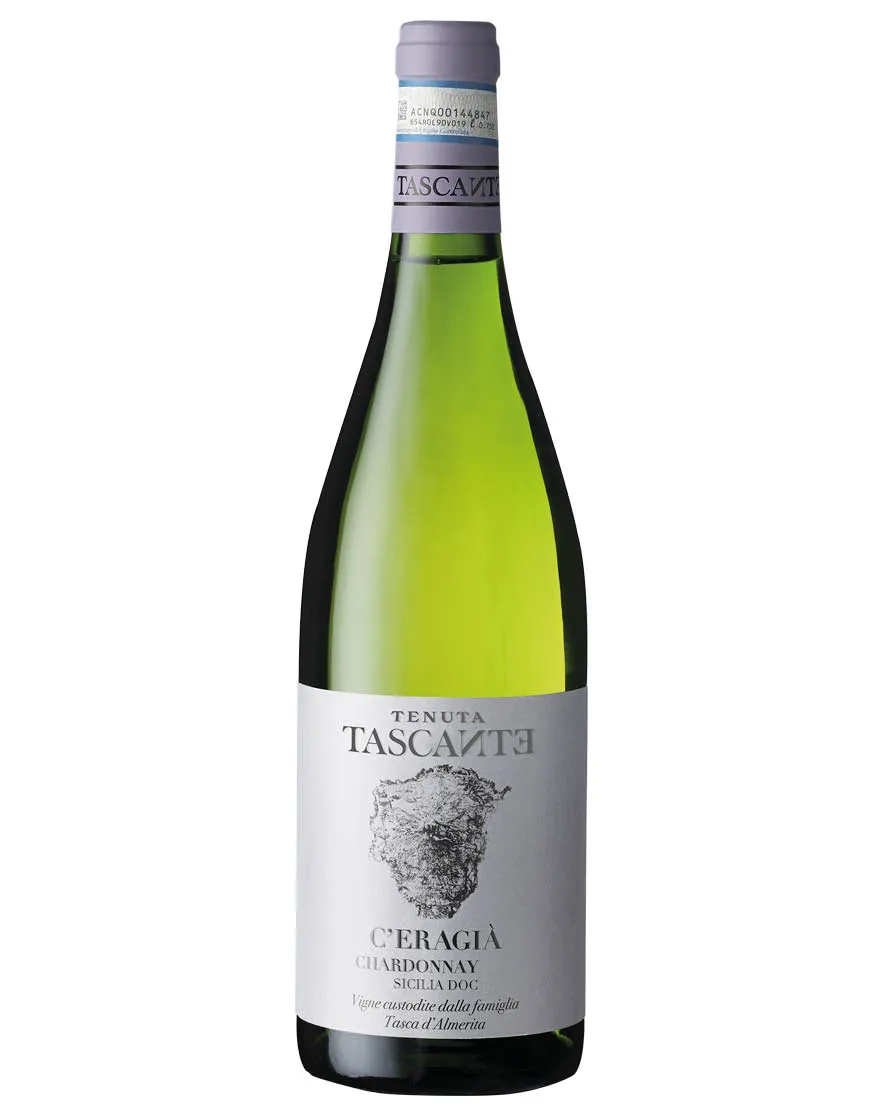
C'eragià Chardonnay by Tasca d'Almerita is a white wine produced at the Tenuta Tascante estate, on the northern slope of Mount Etna. Made from Chardonnay grapes, it stands out for its fresh and elegant profile. Fermentation in French oak barriques adds a subtle boisée note and a composed structure, while the absence of malolactic fermentation preserves the wine’s tension on the palate and vibrancy. This style enhances the purity of the grape variety and the influence of the volcanic terroir.
Where does it come from?
The vineyard is located in the Rampante district at 740 meters above sea level, where the northern Etna climate brings strong temperature fluctuations and sea breezes. The volcanic soils, rich in lava sands and ash, guarantee optimal drainage and a minerality perceptible in the wine. The winemaking history of Etna has shaped a solid regional identity and highlights the minerality and vibrancy of the Chardonnay cultivated in this area.
How is it made?
Grapes are harvested by hand with careful bunch selection. Fermentation takes place in French oak barriques at a controlled temperature between 16 and 18 °C for about twelve days, for gentle extraction. Malolactic fermentation is not carried out, thus freshness and acidity are preserved. Aging continues in tonneaux from Tonnellerie Chassin; the wine rests on fine lees, developing aromatic complexity and roundness before bottling.
Tasting notes
In the glass, it appears with a brilliant straw yellow color and greenish highlights. On the nose, aromas of Golden apple, white peach, and citrus fruits like lemon and citron emerge, with subtle notes of butter and vanilla. On the palate, it is taut and vibrant, with balanced acidity, medium body, and a persistent finish that recalls minerality and a hint of iodine. The closure is elegant, with a slight smoky nuance.
Food pairings
C'eragià Chardonnay pairs well with flavorful fish dishes such as salt-baked sea bass or oven-baked turbot with potatoes, as well as grilled white meats with aromatic herbs. In regional cuisine, it accompanies pasta with sardines, achieving harmony between freshness and structure. Also excellent with seafood risotto or swordfish carpaccio with citrus and wild fennel, for the balance between sea flavors and citrus notes.
When to serve it
It is recommended to serve at 10 °C to 12 °C in tulip-shaped glasses to enhance the aromas. Ready to be enjoyed immediately, it maintains its freshness and good complexity in the first two years, with the potential to evolve up to four years in the bottle. Suitable for informal occasions as well as tasting moments, it offers constant tension on the palate and a structure capable of supporting its evolution over time.
21 products of Tasca d'Almerita View all
21 products of Tasca d'Almerita


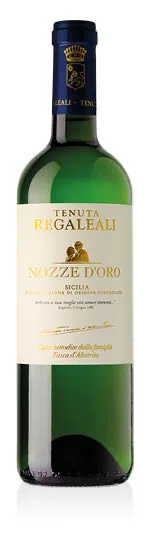
Sicilia DOC Tenuta Regaleali Nozze d'Oro 2023 Tasca d'Almerita
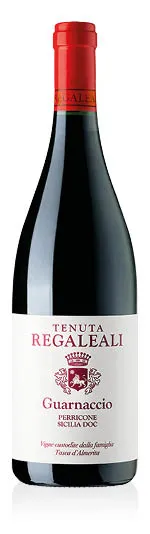
Sicilia DOC Perricone Tenuta Regaleali Guarnaccio 2023 Tasca d'Almerita

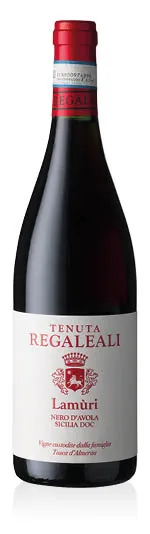
Sicilia DOC Tenuta Regaleali Nero d'Avola Lamùri 2022 Tasca d'Almerita
You may also be interested in


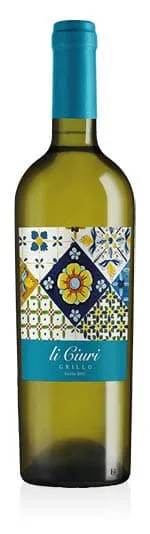
Sicilia DOC Grillo 2025 Li Ciuri
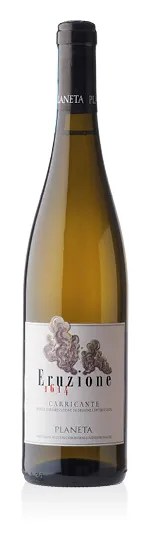
Sicilia DOC Carricante Eruzione 1614 2024 Planeta
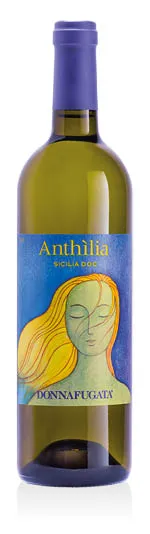
Sicilia DOC Anthìlia 2025 Donnafugata
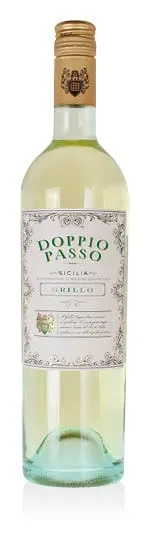
Sicilia DOC Grillo 2025 Doppio Passo
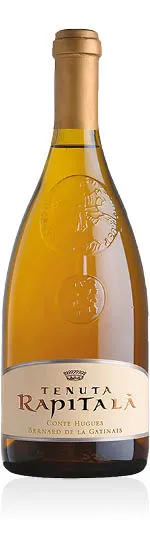
Sicilia DOC Chardonnay Conte Hugues 2024 Tenuta Rapitalà