 View all
 Champagne
 Sparkling Wines
 Red Wines
 White Wines
 Rosé Wines
 Alcohol-free
 Bag in box
 Fortified Wines
 Passito Wines
 Cocktails
 Gin
Gin
 Liqueur
 Whisky
 Rum
Rum
 Grappa
 Alcohol-free
 Brandy
 Eau de vie
 Tequila
 Vodka
Vodka
 Mixology
 Beers
Beers
 Olive Oil
 Vinegar
 Accessories
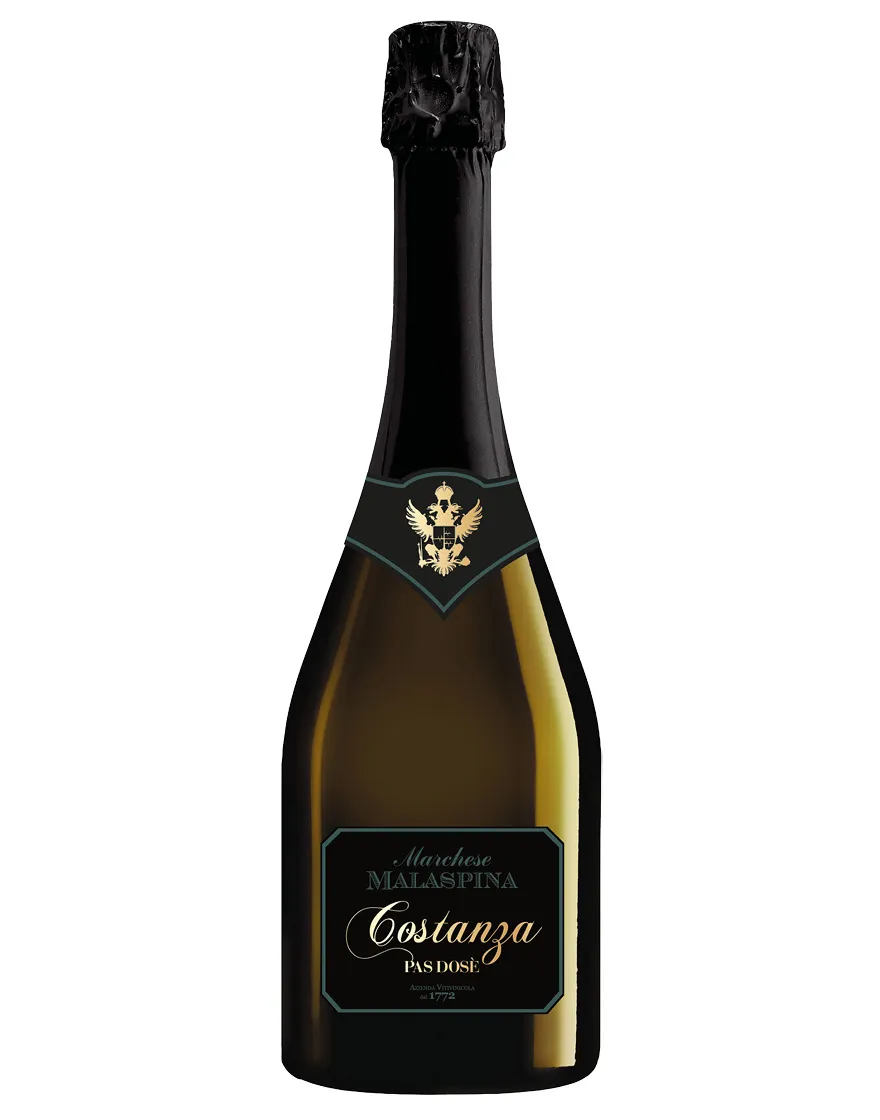


Product details
Description
What kind of wine is it
Costanza by Marchese Malaspina is a pas dosé Metodo Classico sparkling wine from the hills of Bobbio, in the province of Piacenza. It is created from a blend of Pinot Nero and Chardonnay, with a dry, taut, and elegant style. The winemaking process emphasizes precision and freshness, with fermentation in stainless steel and a long aging on the lees in bottle. The result is a wine with balanced structure, marked acidity, and a clear mineral character, suitable for pairing throughout a meal.
Where does it come from
The grapes come from vineyards situated between 400 and 500 meters in the municipality of Bobbio, in the Piacenza Apennines. The marly-limestone soils, rich in calcium carbonate, aid drainage and ensure consistent ripening, giving the wine a pronounced sapidity. The altitude and temperature fluctuations preserve acidity and aromatic profile, while good ventilation supports selective harvests and healthy grapes. These factors produce a Metodo Classico with a territorial character, fresh and taut.
How is it produced
Harvesting is done by hand during the coolest hours to retain aromatic integrity. After destemming, gentle pressing produces the free-run must. Fermentation takes place in temperature-controlled stainless steel, followed by aging on the fine lees for 9–12 months. The secondary fermentation happens in the bottle following the Metodo Classico, with aging on the lees for at least 24–30 months. Disgorgement is done without dosage to maintain the dry, crisp pas dosé profile.
Tasting notes
In the glass it shows a straw yellow with brilliant highlights and a fine, persistent perlage. The bouquet is complex, with notes of white flowers, citrus peel, dried fruit, and fine pastry, accented by balsamic and mineral hints. On the palate, it is dry and vibrant, with pronounced acidity and a saline sensation that accompanies the progression. Its structure is balanced, the bubbles well integrated, and the finish long and harmonious, consistent with the pas dosé style.
Pairings
Its freshness and sapidity make this sparkling wine ideal with seafood starters and main courses such as tuna tartare, ceviche, and tempura prawns, with the bubbles cleansing the palate. It also pairs well with citrus risotto and hard cheeses like aged Parmigiano Reggiano. Interesting with herb tortelli and butter or with cheese focaccia, it enhances dishes that require precision and dryness.
When to serve it
Costanza is perfect as a technical aperitif or as an all-course wine for those seeking a dry Metodo Classico with no dosage. Serve well chilled in glasses designed to enhance the aromatic profile and the finesse of the bubbles. The long aging on the lees adds complexity, making it suitable even for important occasions. It can be enjoyed immediately for its energy, but thanks to its acidity and structure, it retains balance and freshness even several years after disgorgement.
You may also be interested in


Franciacorta DOCG Brut Contadi Castaldi


Valdobbiadene Prosecco Superiore DOCG Brut Dolceriva

Franciacorta DOCG Brut Ca' del Diavolo

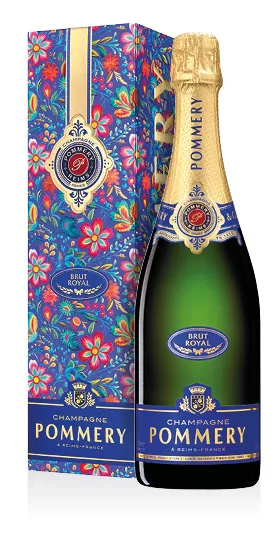
Champagne AOC Brut Royal Pommery
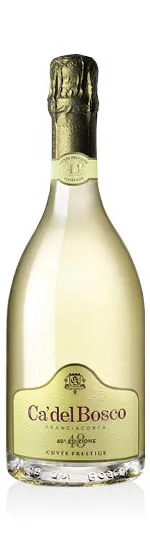
Franciacorta DOCG Extra Brut Cuvée Prestige Edizione 48 Ca' del Bosco