 View all
 Champagne
 Sparkling Wines
 Red Wines
 White Wines
 Rosé Wines
 Alcohol-free
 Bag in box
 Fortified Wines
 Passito Wines
 Cocktails
 Gin
Gin
 Liqueur
 Whisky
 Rum
Rum
 Grappa
 Alcohol-free
 Brandy
 Eau de vie
 Tequila
 Vodka
Vodka
 Blonde
 Red
Red
 Dark
Dark
 Amber
Amber
 Mixology
 Beers
Beers
 Olive Oil
 Vinegar
 Accessories


Product details

Description
What kind of wine is it
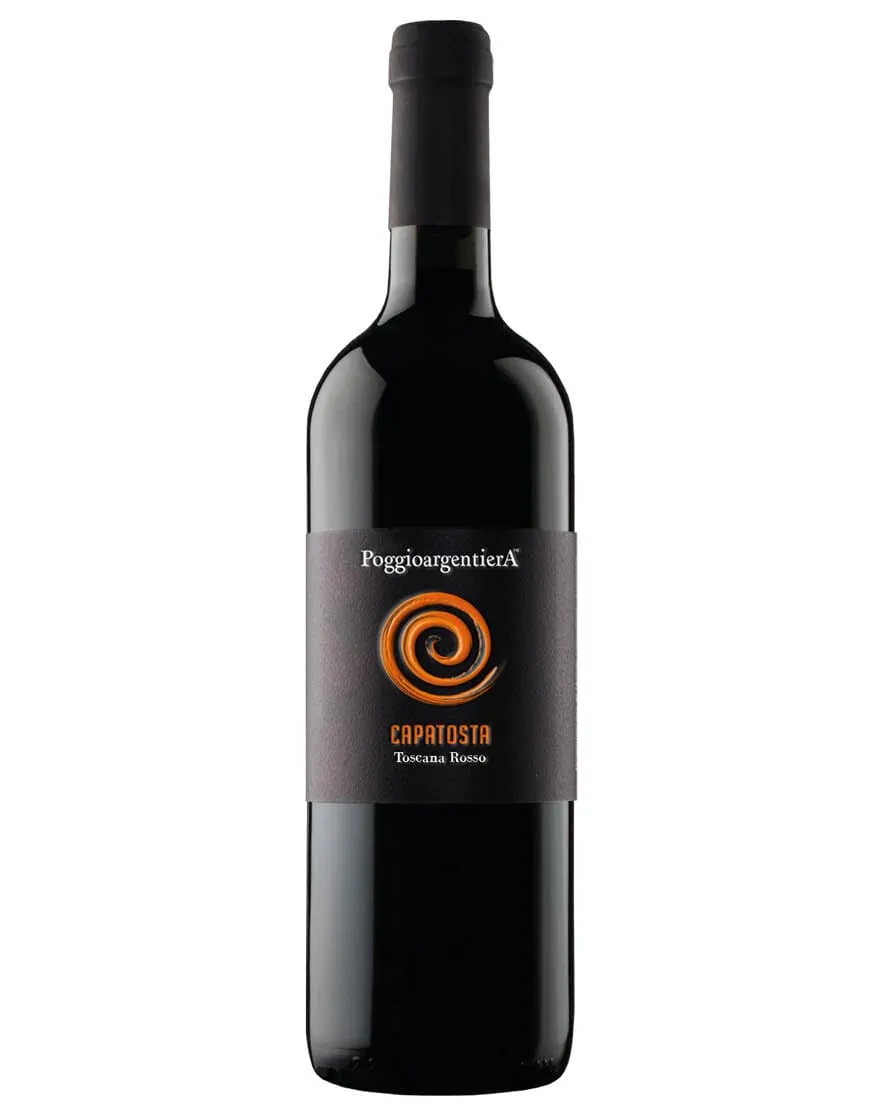
Capatosta by Poggio Argentiera is a Toscana Rosso made from a blend of Sangiovese and Alicante, produced in Maremma, in southern Tuscany. The winemaking process involves skin maceration, fermentation in stainless steel at controlled temperatures, and further ageing in stainless steel, resulting in a direct and approachable character. The result is a warm, structured red with prominent tannins and a fruity profile complemented by notes of licorice.
Where does it come from
It originates in Maremma, from grapes harvested in the vineyards of the Baccinello area at about 350 m a.s.l. The soils, rich in alluvial pebbles and mostly made up of calcareous clay, contribute to the solidity of the structure and the definition on the palate.
How is it produced
Harvesting is done by hand. After picking, the grapes are left to macerate on their skins for about two weeks, then ferment in stainless steel at controlled temperature. Once fermentation is complete, the wine remains in stainless steel for ageing, preserving aromatic clarity and a clear fruit expression, with extraction and structure balanced during maceration.
Tasting notes
In the glass, it shows a bright ruby red colour. The nose opens with berry fruits, raspberry and blackcurrant, enriched by a note of liquorice. On the palate, it is warm and full, with chiselled tannins that give rhythm to the sip and support a persistent finish, consistent with the fruity and spicy profile detected on the nose.
Food pairings
It pairs naturally with grilled red meats, where the wine’s structure meets the succulence of the dish. The suggested pairing is with a fiorentina steak accompanied by grilled vegetables, for a balance between aromatic intensity and tannic texture.
When to serve it
It is recommended when looking for a red wine with structure, marked tannins, and a clear fruity profile at the table. The choice of stainless-steel fermentation and ageing makes it suitable for convivial occasions and meals centred on meat main courses, where the wine’s persistence can complement rich dishes without losing definition.
1 product of Poggio Argentiera View all
1 product of Poggio Argentiera


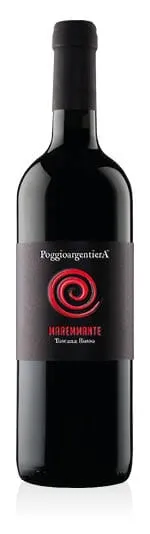
Toscana IGT Maremmante 2024 Poggio Argentiera
You may also be interested in

Toscana IGT Governo all'Uso Toscano Gano 2024 Borgo San Frediano
Toscana IGT Sassoalloro 2024 Jacopo Biondi Santi

Toscana IGT Gigino Ottantesimo Anniversario 2022 Barbanera
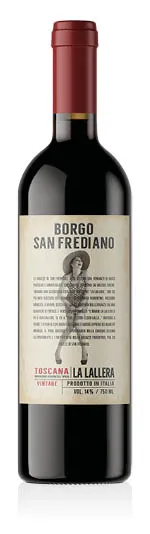
Toscana IGT La Lallera 2021 Borgo San Frediano