 View all
 Champagne
 Sparkling Wines
 Red Wines
 White Wines
 Rosé Wines
 Alcohol-free
 Bag in box
 Fortified Wines
 Passito Wines
 Cocktails
 Gin
Gin
 Liqueur
 Whisky
 Rum
Rum
 Grappa
 Alcohol-free
 Brandy
 Eau de vie
 Tequila
 Vodka
Vodka
 Blonde
 Red
Red
 Amber
Amber
 Dark
Dark
 Mixology
 Beers
Beers
 Olive Oil
 Vinegar
 Accessories
(*) Images are for illustrative purposes only. Actual product packaging may vary.


Product details

Description
What kind of wine it is
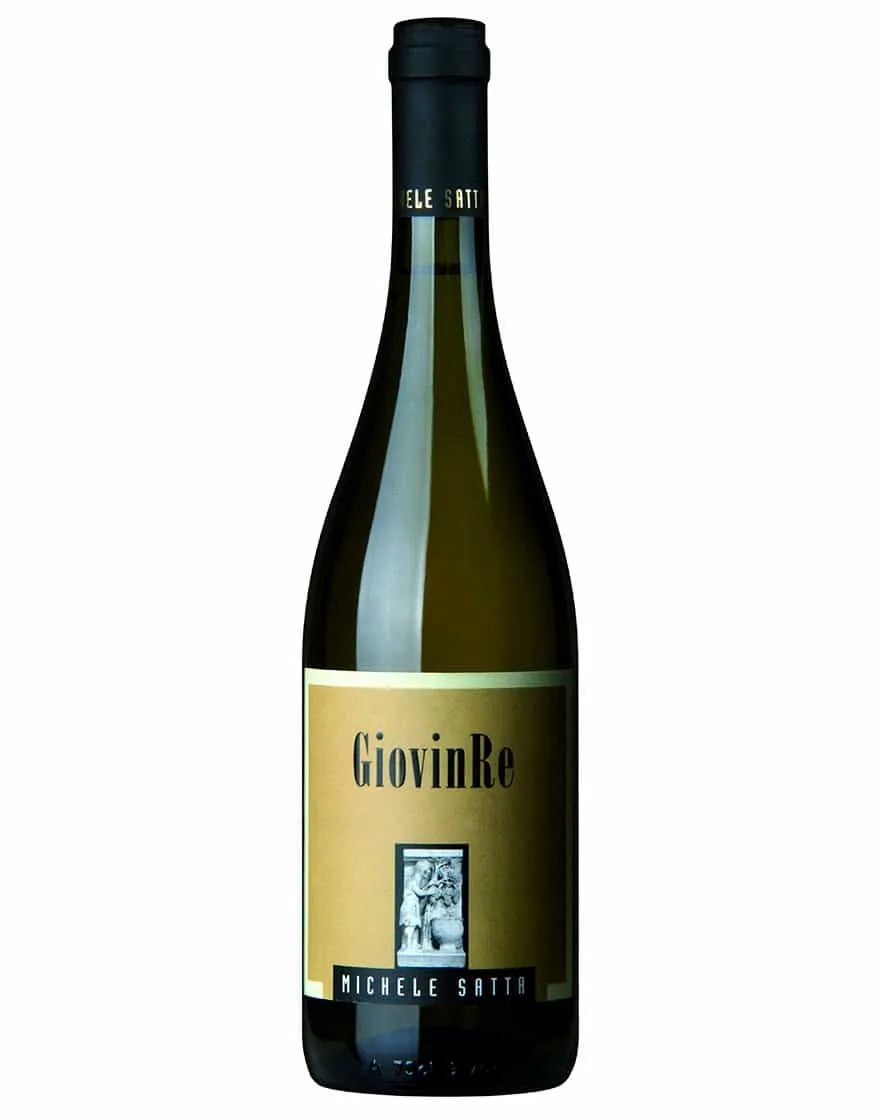
Giovin Re by Michele Satta is a white wine from Tuscany made from 100% Viognier. It displays a harmonious and fresh style, supported by good persistence and an elegant, well-defined profile. Fermentation takes place in barriques and bottling is carried out without filtration to preserve the wine’s components and its expressive clarity.
Where it comes from
It originates in Tuscany, a broad regional context that allows for personal interpretations of the grape variety. Within this framework, Michele Satta establishes a precise identity by focusing on pure Viognier, where aroma and structure seek a natural balance. The territorial origin remains central, while winery choices guide the style towards a recognizable and coherent expression.
How it is produced
The Viognier grapes are harvested and manually selected, with close attention to the quality of the raw material. Winemaking involves fermentation in barriques, a choice that influences both consistency and overall aromatic profile. After fermentation, the wine is bottled without filtration and released after a further six months. It tends to reach its full expression in the following two years, when the various elements integrate more completely.
Tasting notes
It shows an intense straw yellow colour. On the nose it opens with apricot and citrus, with an elegant bouquet enriched by spicy notes of incense and hints of oriental flavours. On the palate it is harmonious and fresh, with a balanced progression and a pleasant persistence that prolongs sensations without weighing down the drink.
Food pairings
It pairs beautifully with grilled white meats, where freshness accompanies succulence and aromas enhance the grilled notes. It is also recommended with seafood and with flavourful, elaborate recipes based on vegetables and fish, thanks to a defined aromatic profile and a persistence capable of sustaining richer dishes.
When to serve it
It is already enjoyable after the maturation period before release, indicated as a further six months, when the profile is well defined. To best appreciate its evolution, it is ideal to consume within the following two years, during which it reaches full expression and further integrates its aromas and structure. Fermentation in barriques and bottling without filtration help support this evolution, offering lasting continuity.
4 products of Michele Satta View all
4 products of Michele Satta


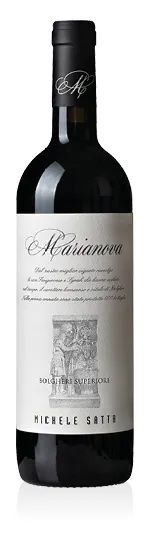
Bolgheri Superiore DOC Marianova 2021 Michele Satta

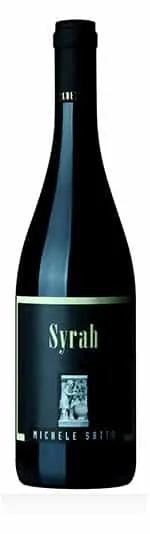
Toscana IGT Syrah 2023 Michele Satta

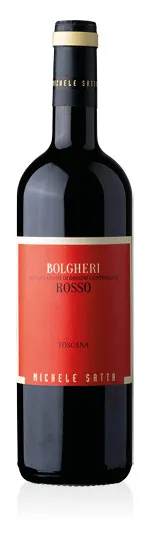
Bolgheri Rosso DOC 2024 Michele Satta
You may also be interested in

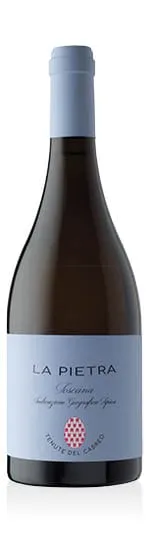
Toscana IGT Bianco Cabreo La Pietra 2024 Ambrogio e Giovanni Folonari

Toscana IGT Casamatta Bianco Isola del Giglio 2025 Bibi Graetz
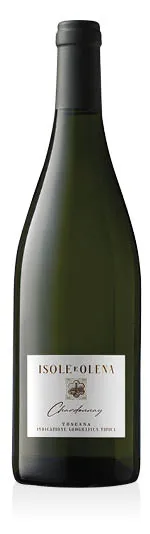
Toscana IGT Chardonnay 2024 Isole e Olena
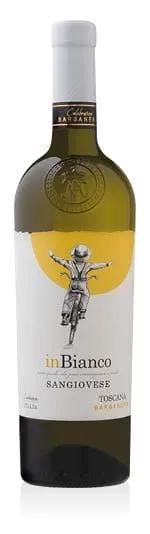
Toscana IGT Sangiovese InBianco 2025 Barbanera
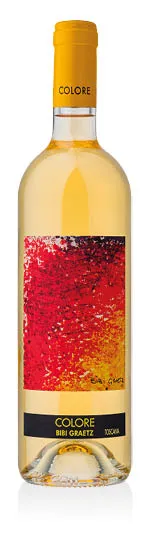
Toscana IGT Bianco Colore 2022 Bibi Graetz