 View all
 Champagne
 Sparkling Wines
 Red Wines
 White Wines
 Rosé Wines
 Alcohol-free
 Bag in box
 Fortified Wines
 Passito Wines
 Cocktails
 Gin
Gin
 Liqueur
 Whisky
 Grappa
 Rum
Rum
 Alcohol-free
 Brandy
 Eau de vie
 Tequila
 Vodka
Vodka
 Mixology
 Beers
Beers
 Olive Oil
 Vinegar
 Accessories


Product details

Description
What kind of wine it is
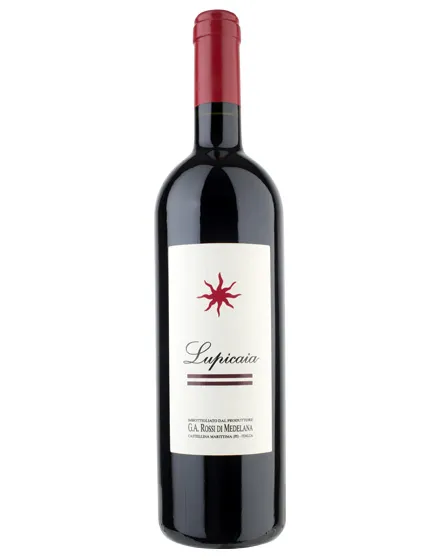
Toscana Rosso Lupicaia from Castello del Terriccio is made from Cabernet Sauvignon and Petit Verdot. It stands out for its structured and complex style, with clear tannins and full body. Fermentation lasts 16 days for Petit Verdot and 20 days for Cabernet Sauvignon at 29°C in temperature-controlled steel tanks, then the wine ages for 22 months in barrique. The result combines strength and finesse, offering a technical profile suited for those seeking intensity and potential for evolution.
Where it comes from
Lupicaia comes from the historic Castello del Terriccio estate, in the province of Livorno.
How it is produced
Cabernet Sauvignon and Petit Verdot grapes are hand-harvested between September and October, with only the best bunches selected. Fermentation lasts 16 days for Petit Verdot and 20 days for Cabernet Sauvignon at 29°C in steel tanks, with specific macerations for each variety. After malolactic fermentation, the wine ages for 22 months in barrique, developing structure and complex aromas.
Tasting notes
Lupicaia displays an intense ruby red color with garnet hues. The nose reveals blackcurrant and ripe cherry, with spicy notes of black pepper, hints of leather and subtle balsamic nuances. On the palate, it offers firm, well-integrated tannins, good acidity giving freshness, and a long finish. The aftertaste remains fruity and spicy, with toasted notes typical of barrel aging.
Food pairing
Toscana Rosso Lupicaia pairs well with grilled red meats, such as Florentine steak, enhancing the dish's structure. It is excellent with sautéed mushrooms or porcini risotto, and with aged cheeses like pecorino and caciocavallo. It also complements Tuscan dishes such as ribollita or pici with ragù, and is enjoyable on its own as a meditation wine.
When to serve it
Lupicaia expresses itself best after several years in the cellar and retains vibrancy for up to ten years thanks to its structure and tannin balance. It is recommended to open the bottle at least an hour in advance and serve in a large glass at 18–20°C. The careful grape selection and aging in barrique support its longevity, making it suitable both for special occasions and intimate tastings.
2 products of Castello del Terriccio View all
2 products of Castello del Terriccio


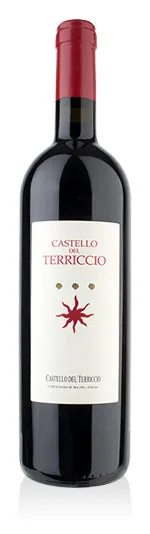
Toscana Rosso IGT 2016 Castello del Terriccio

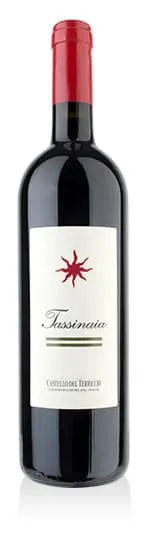
Toscana IGT Tassinaia 2022 Castello del Terriccio
You may also be interested in

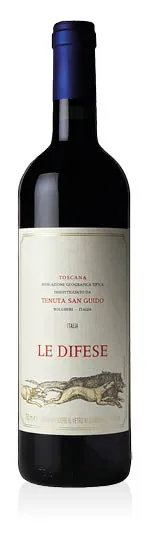
Toscana IGT Le Difese 2024 Tenuta San Guido
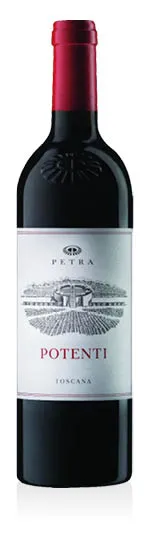
Toscana IGT Cabernet Sauvignon Potenti 2023 Petra
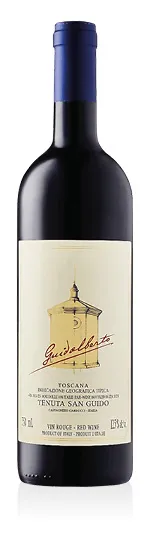
Toscana IGT Guidalberto 2023 Tenuta San Guido
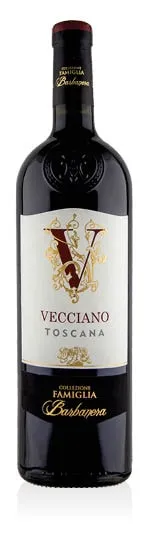
Toscana IGT Vecciano 2023 Barbanera

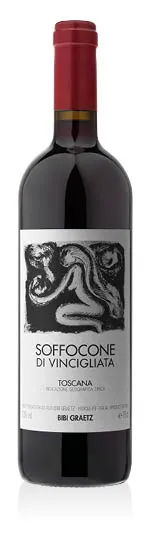
Toscana IGT Soffocone di Vincigliata 2024 Bibi Graetz