 View all
 Champagne
 Sparkling Wines
 Red Wines
 White Wines
 Rosé Wines
 Alcohol-free
 Bag in box
 Fortified Wines
 Passito Wines
 Cocktails
 Gin
Gin
 Whisky
 Liqueur
 Grappa
 Rum
Rum
 Alcohol-free
 Brandy
 Eau de vie
 Tequila
 Vodka
Vodka
 Mixology
 Beers
Beers
 Olive Oil
 Vinegar
 Accessories
Product details

Description
What kind of wine is it
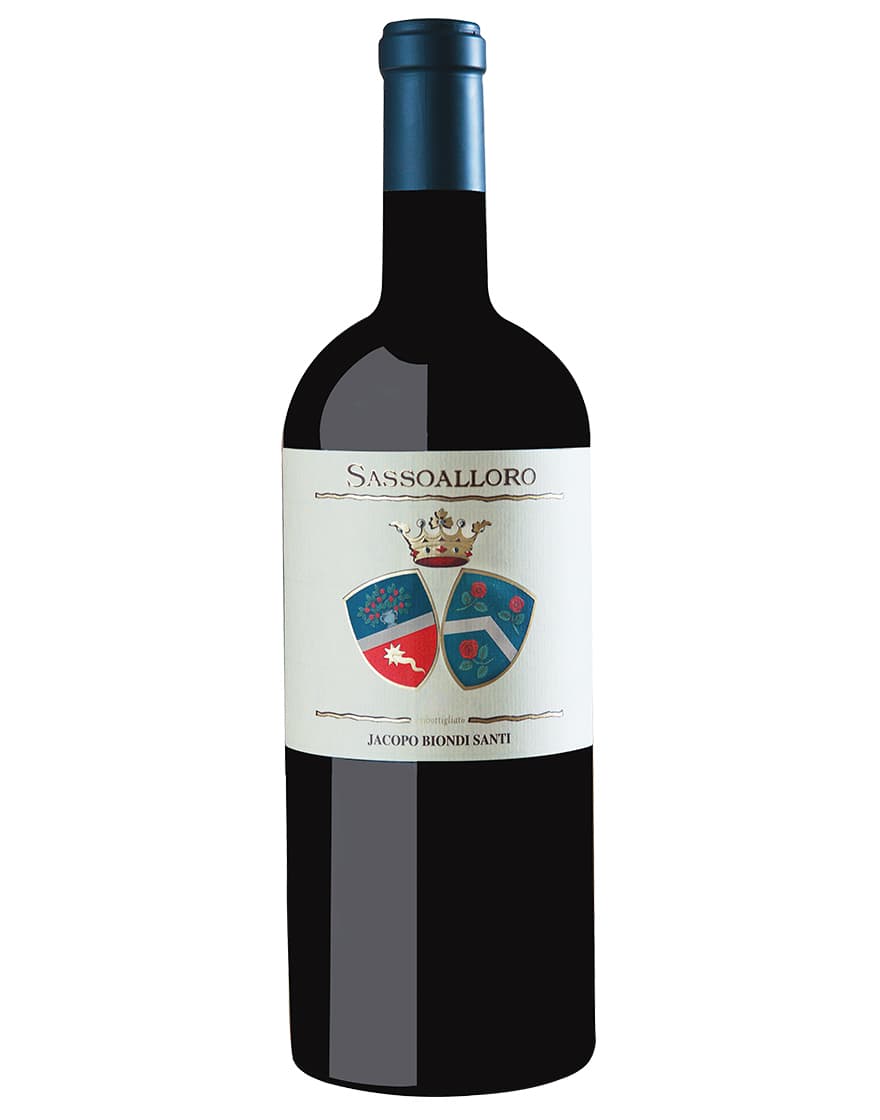
Sassoalloro Toscana Rosso by Jacopo Biondi Santi is a Tuscan red wine made exclusively from Sangiovese Grosso. It presents itself as a modern version of this grape variety, cherished by the family, with a profile that combines drinkability and structure. Aging in untosted oak barriques helps to maintain the clarity of the fruit and a balance that adapts even to bottle evolution, making it a great choice alongside meat dishes and significant preparations.
Where it comes from
This wine hails from Tuscany, a region historically bound to Sangiovese. In this context, Jacopo Biondi Santi offers a red that enhances the grape’s recognizability, aiming for aromatic precision and finesse. Its Tuscan origin frames an expression centered on fruit purity and a well-ordered tannic texture, designed to accompany graceful aging over time.
How it is produced
The wine comes exclusively from Sangiovese Grosso harvested at the end of September. After vinification, it rests for 14 months in barriques made from untosted woods sourced from Tronçais forests. This period in wood serves to refine its structure and integrate the aromatic profile, maintaining balance between the fruity component and freshness.
Tasting notes
In the glass, it appears a brilliant ruby red with violet highlights. On the nose it offers fresh and fruity aromas enhanced by floral notes of violet. The palate is soft and velvety, with a steady progression and a very long finish, delivering an overall impression of elegance and solidity.
Food pairings
Thanks to its smoothness and persistence, it pairs naturally with red meats, particularly those cooked over embers or on the grill, and with substantial roasts. At the table, it accompanies rich preparations, where the juiciness and intensity of the cooking require a well-structured and persistent red.
When to serve it
It is ideal when an elegant yet substantial red wine is desired for lunches and dinners featuring meat dishes and important cooking methods. It can also be enjoyed in its youth for its supple profile or allowed to evolve in bottle. Its longevity potential is 15–20 years, benefiting from medium- and long-term maturation.
9 products of Jacopo Biondi Santi View all
9 products of Jacopo Biondi Santi


Toscana IGT Sassoalloro 2023 Jacopo Biondi Santi

Toscana IGT Sassoalloro Oro 2021 Jacopo Biondi Santi

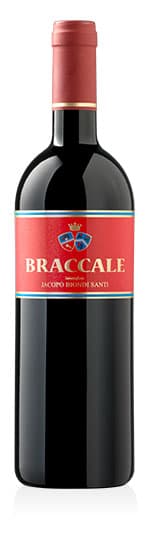
Toscana IGT Braccale 2024 Jacopo Biondi Santi
You may also be interested in

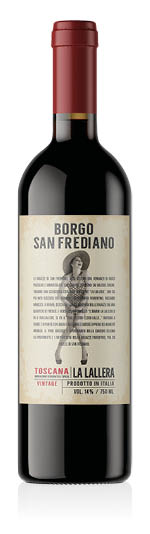
Toscana IGT La Lallera 2021 Borgo San Frediano
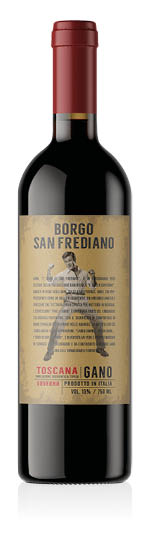
Toscana IGT Governo all'Uso Toscano Gano 2024 Borgo San Frediano
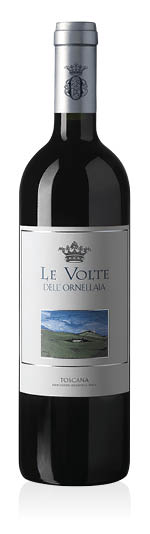
Toscana IGT Le Volte 2023 Ornellaia
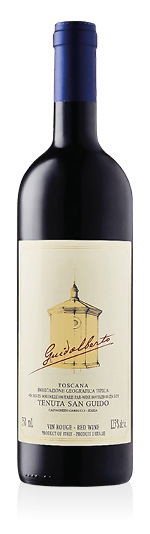
Toscana IGT Guidalberto 2023 Tenuta San Guido
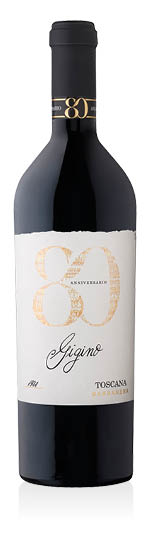
Toscana IGT Gigino Ottantesimo Anniversario 2021 Barbanera