 View all
 Champagne
 Sparkling Wines
 Red Wines
 White Wines
 Rosé Wines
 Alcohol-free
 Bag in box
 Fortified Wines
 Passito Wines
 Cocktails
 Gin
Gin
 Liqueur
 Whisky
 Grappa
 Rum
Rum
 Alcohol-free
 Brandy
 Eau de vie
 Tequila
 Vodka
Vodka
 Mixology
 Beers
Beers
 Olive Oil
 Vinegar
 Accessories


Product details

Description
What type of wine is it
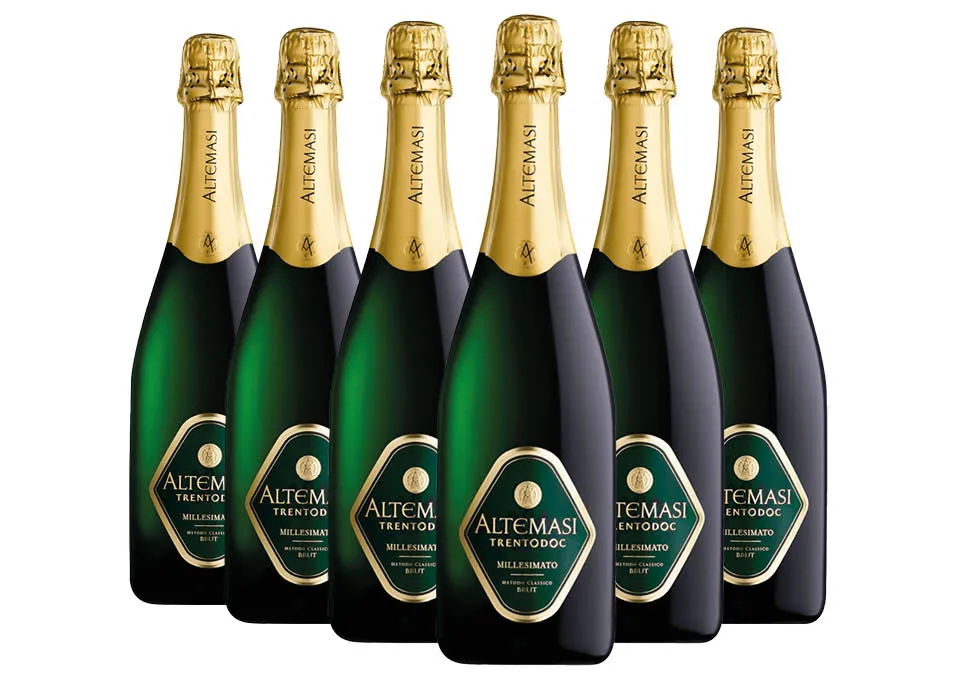
Trento Brut Millesimato by Altemasi is a white sparkling wine made from Chardonnay grapes grown in the most renowned vineyards of Trentino. The style displays a fresh, elegant profile, with balanced acidity and a possible mineral touch, often found in wines from this area. The secondary fermentation (prise de mousse) takes place in the bottle according to the Traditional Method. Aging on the lees for over thirty months gives the wine a very fine perlage and a well-measured structure, perfect for those who seek both character and drinkability.
Where does it come from
It comes from the best vineyards in Trentino, where the climate fosters freshness and natural acidity.
How is it produced
Grapes are picked exclusively by hand, with a careful selection of the best Chardonnay bunches. After gentle pressing, fermentation takes place at a controlled temperature to preserve freshness and aroma. The secondary bottle fermentation follows the Traditional Method, with maturation on the lees for at least thirty months. This extended aging develops aromatic complexity and creaminess, and the style is Brut, as indicated by the designation.
Tasting notes
It has a straw yellow color with greenish hints and very fine, persistent bubbles. The nose reveals scents of fresh citrus, white peach, notes of yeast, and aromas derived from aging on the lees. The palate is dry, with lively acidity and balanced structure. The taste suggests refined complexity, supported by savoriness and a persistence that recalls citrus and mineral traces, as is often the case with this style of wine.
Food pairings
This Traditional Method wine pairs well with crispy mixed fried seafood—such as prawns and calamari—as well as with lemon veal scaloppine, thanks to its acidity and savory elements.
When to serve it
Trento Brut Millesimato by Altemasi should be served chilled in a flute or tulip glass to highlight its bubbles. Perfect as an aperitif or for refined lunches, it also suits more informal occasions. Its refreshing acidity and long aging on the lees provide freshness and aromatic complexity for a persistent and elegant drinking experience.
7 products of Altemasi View all
7 products of Altemasi


Trento DOC Brut Millesimato 2022 Altemasi


Trento Brut Rosé DOC Altemasi

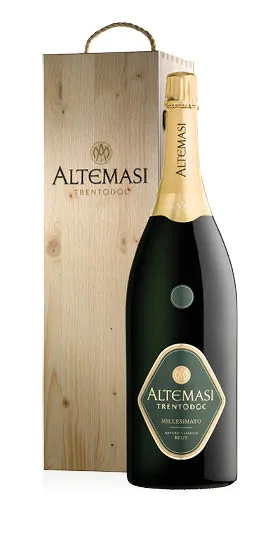
Trento DOC Brut Millesimato 2021 Altemasi
You may also be interested in

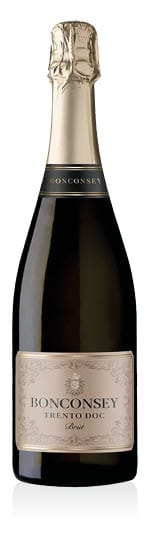
Trento DOC Brut Bonconsey
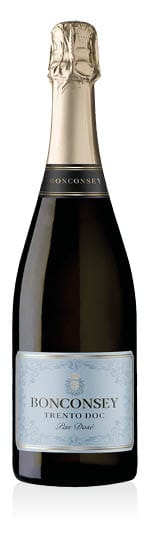
Trento DOC Pas Dosé Bonconsey


Trento DOC Riserva Brut 2022 Bonconsey
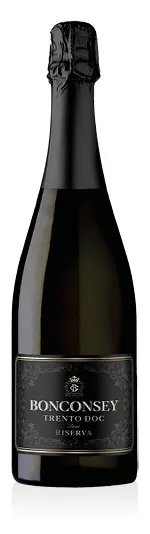
Trento DOC Brut Riserva 36 Mesi 2021 Bonconsey

Trento Riserva Brut DOC Perlé Bianco 2016 Ferrari