 View all
 Champagne
 Sparkling Wines
 Red Wines
 White Wines
 Rosé Wines
 Alcohol-free
 Bag in box
 Fortified Wines
 Passito Wines
 Cocktails
 Gin
Gin
 Liqueur
 Whisky
 Rum
Rum
 Grappa
 Alcohol-free
 Brandy
 Eau de vie
 Tequila
 Vodka
Vodka
 Blonde
 Red
Red
 Dark
Dark
 Amber
Amber
 Mixology
 Beers
Beers
 Olive Oil
 Vinegar
 Accessories


Product details
Description
What kind of wine is it
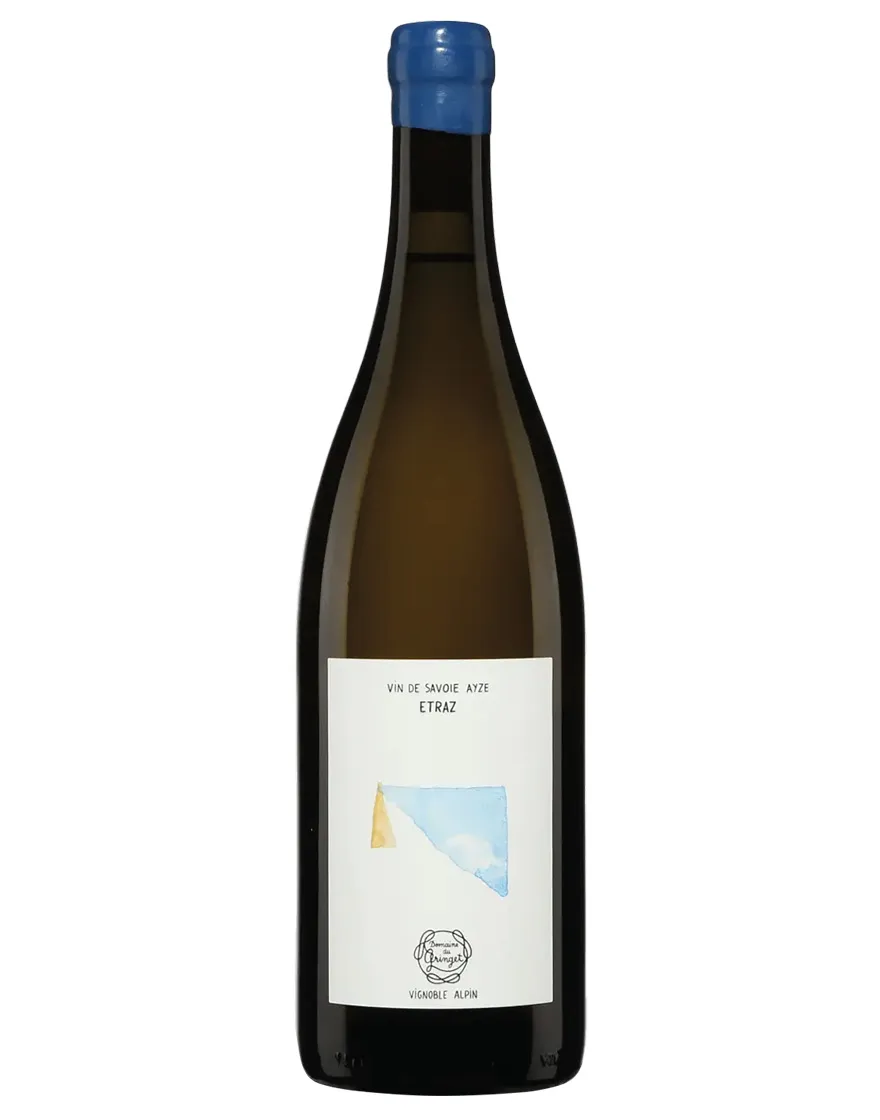
Etraz by Domaine du Gringet is a dry white from Savoie, produced in Ayze from Gringet grapes. It shows a fresh and straightforward style, with pronounced acidity, a salty note, and a clean profile that reflects the limestone soil. The winemaking process includes spontaneous fermentation with native yeasts and a long aging on the lees in egg-shaped concrete vats. The wine offers tension and precision, suitable for a few years of aging. Those seeking balance, verticality, and aromatic clarity will find a technical and terroir-driven interpretation of a rare grape variety.
Where it comes from
The grapes come from the municipality of Ayze, in the northern sector of Savoie, a pre-Alpine area influenced by Mont Blanc and the Arve valley. The southern exposure allows for regular ripening in a cool climate with significant temperature swings. The soils of limestone debris and landslide materials drain well and result in wines with sustained acidity, mineral sensations, and distinct sapidity.
How it is produced
The harvest focuses on maximum freshness and aromatic precision of Gringet. In the cellar, the grapes undergo a slow pressing for 4-7 hours, followed by a static settling of about 24 hours to naturally clarify the must. Fermentation is spontaneous with indigenous yeasts, without aromatization. Aging proceeds for 9 months on the lees in egg-shaped concrete vessels, consolidating texture and stability. This is followed by a 10-month rest in bottle for integrating acidity, salinity, and aromatic components.
Tasting notes
Pale straw yellow color with greenish highlights, indicating winemaking without wood, focused on acid tension. On the nose, white-fleshed fruit aromas emerge, along with lemon zest and wildflowers, with a hint of wet stone reminiscent of the limestone soil. On the palate, it is dry and linear, with immediate freshness and a vertical progression. The saline texture is supported by well-defined acidity and greater fullness from the work on the lees. The finish is persistent, clean, and savory, with citrusy return and a crisp closure.
Food pairings
Pairs with fish dishes, especially recipes that highlight delicacy and saltiness such as alpine trout with butter and lemon or baked sea bass with aromatic herbs. Its freshness and dry structure also suit shellfish, carpaccio, and pasta dishes with light sauces. In line with local tradition, it works well with soft, bloomy-rind cheeses, as the acidity cleanses the fat and the salty note amplifies the flavor. Also excellent with Savoy fondue, quiche, and savory pies with seasonal vegetables.
When to serve it
A crisp and refreshing profile that is perfect from aperitif to the entire meal, especially when precision and taste cleanliness are important. The recommended temperature is about 10–12 °C, served in large glasses to expand the aromatic expression and make the citrus and mineral components more apparent. The sustained acidity, sapidity, and lees aging allow for immediate drinking or pleasant evolution over time. Ideal for social moments and tables featuring fish or cheeses, with a dry style consistent with the territory.
4 products of Domaine du Gringet View all
4 products of Domaine du Gringet


Vin de Savoie Blanc Le Feu 2022 Domaine du Gringet
Vin de Savoie Blanc La Bergerie 2022 Domaine du Gringet
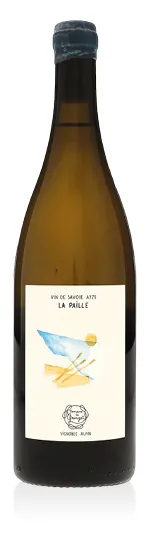
Vin de Savoie Blanc La Paille 2022 Domaine du Gringet
You may also be interested in

Lugana DOC 2025 Dal Moro

Südtirol - Alto Adige DOC Gewürztraminer 2025 Blumenfeld

Terre Siciliane IGT Chardonnay 'A Vanigghia 2025 Li Ciuri
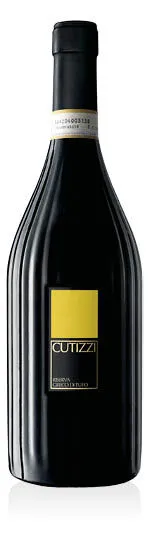
Greco di Tufo DOCG Riserva Cutizzi 2024 Feudi di San Gregorio
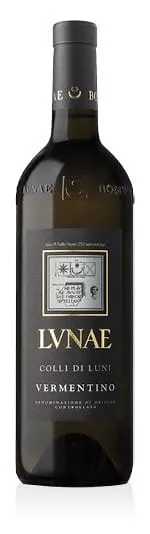
Colli di Luni DOC Vermentino Etichetta Nera 2025 Lunae