 View all
 Champagne
 Sparkling Wines
 Red Wines
 White Wines
 Rosé Wines
 Alcohol-free
 Bag in box
 Fortified Wines
 Passito Wines
 Cocktails
 Gin
Gin
 Liqueur
 Whisky
 Grappa
 Rum
Rum
 Alcohol-free
 Brandy
 Eau de vie
 Tequila
 Vodka
Vodka
 Mixology
 Beers
Beers
 Olive Oil
 Vinegar
 Accessories


Product details
Description
What kind of wine is it?
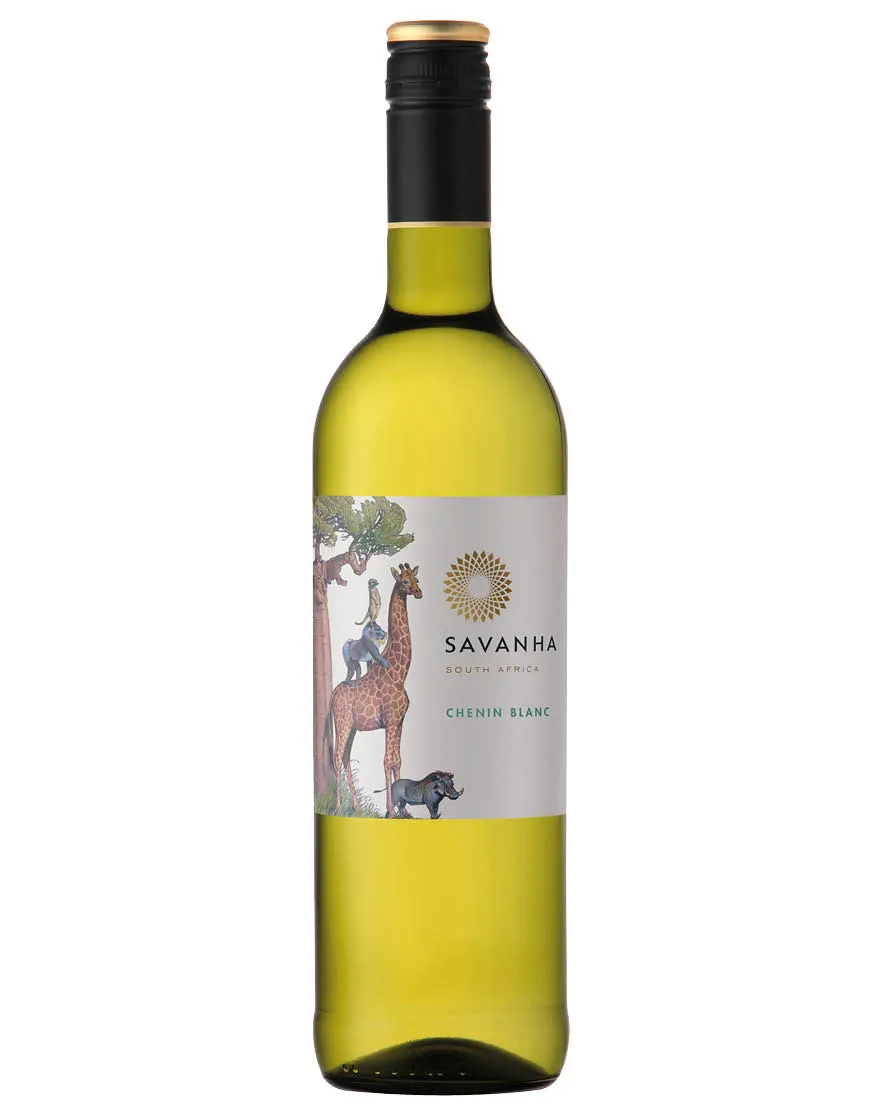
Stellenbosch Chenin Blanc by Savanha is a white wine made from Chenin Blanc grapes grown in Stellenbosch, South Africa. Its style is fresh and straightforward, with an easy-drinking profile and clean aromatics thanks to fermentation in stainless steel. Two months of ageing on fine lees add body and enrich the structure, making it ideal for those looking for a versatile, fruity, and savoury white to enjoy young and in a dynamic setting.
Origin
The wine comes from Savanha's estate vineyards in Stellenbosch, South Africa. The local climate helps the grapes to ripen in a balanced way. Vineyards in the area benefit from good exposure and conditions well suited for Chenin Blanc. The region has a winemaking history dating back to the 17th century and today offers a terroir recognised internationally.
How it is made
Chenin Blanc grapes are hand-harvested in the early morning to preserve freshness and acidity. After selection, the bunches are gently destemmed and pressed. Fermentation takes place in temperature-controlled stainless steel tanks, followed by two months on the fine lees: this ageing adds body and structure to the wine. Afterwards, the wine is prepared for bottling while maintaining its expressiveness.
Tasting notes
The colour is pale straw yellow with greenish highlights. The nose offers tropical fruits like pineapple and mango, followed by melon, citrus and a light herbal note. The palate is savoury and vibrant, with good structure and balance between acidity and smoothness. The finish is long, with citrus returns and a pleasant saline touch that invites another sip.
Food pairings
This Chenin Blanc pairs well with grilled fish dishes, such as swordfish, thanks to its freshness and savouriness. It also works well with South African bobotie, made with spiced meat, as it enhances the wine’s fruity notes. In Italian cuisine, it balances spaghetti with clams and complements the savoury profile of the dish. Its versatility makes it a good match for shellfish and summer vegetables as well.
When to serve
Serve at 10-12°C in large, slightly flared glasses to enhance the aromas. The wine shows its best young character within two or three years after bottling. Its good acidity and work on the lees allow for brief bottle ageing, but its maximum expressiveness is enjoyed in the first two years. Perfect for informal occasions and convivial summer moments.
1 product of Savanha View all
1 product of Savanha
Stellenbosch Pinotage Shiraz WO 2024 Savanha
You may also be interested in


Coastal Region Chardonnay WO Crystalline 2025 False Bay
Coastal Region Chenin Blanc WO Slow 2025 False Bay
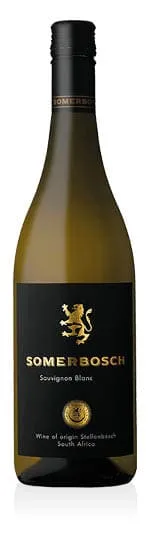
Stellenbosch Sauvignon Blanc WO 2024 Somerbosch Wines

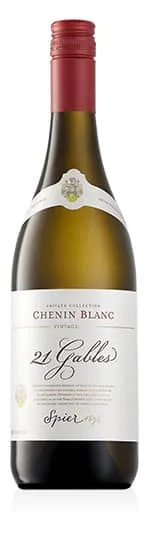
Coastal Region Chenin Blanc WO 21 Gables 2023 Spier
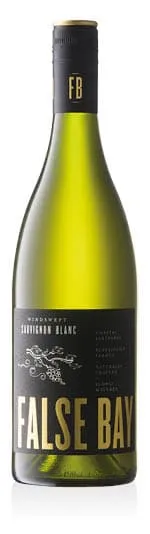
Coastal Region Sauvignon Blanc WO Windswept 2025 False Bay